

A Union of Municipalities, on paper, is already a city: thirty thousand inhabitants, a continuous territory, a common history. In fact, it is not, because it continues to behave like ten towns that divide the same things into ten smaller copies. Ten municipalities, ten offices, ten councils, and no place that is the center of something.
This phase takes that city that exists only on paper and gives it a body. There are three steps, and they go in this order.
A place that serves as a center
The first step is a political choice, and it's up to the institutions of the Union: to identify the area that can function as a center. It's not necessarily the largest town, and this is the delicate point: it's the most accessible place from all the others. A center chosen for prestige rather than distance remains a center on paper, like the Union that chose it.
Services in one place, and who decides
The second step concentrates the services that are currently fragmented in every municipality, and together with the services, it moves the powers: the decisions that today belong to individual municipalities pass to the executive of the Union, elected with the proportional system already in use in the cities. Each municipality maintains an internal executive, proportionate to its inhabitants, with its own budget for essential works and emergency response.
It is the part of the plan that requires the most, because it asks those who administer today to give up something. But it is also the one that produces savings: urban police, transportation, schools, health services, waste collection and disposal, treatment plants, power plants and urban planning cease to exist in ten incomplete copies and become a working copy.
The middle areas
The third step concerns the space between one country and another, which is now no man's land. It becomes the place where communities really meet: sports facilities, squares, parks and bike paths on one side; industrial, artisanal and commercial areas on the other, each in its own space instead of a little everywhere. Along with this, the recovery of historic buildings to be used as libraries, cultural centers and event rooms.
The criterion is always the same: to concentrate rather than disperse. Not for accounting efficiency, but because people meet where there is something, and nowhere if every town has its own half-empty copy of the same thing.
The steps of this phase
Step 7 of 12
Phase 2.1: New urban centers within the territory of the Unions
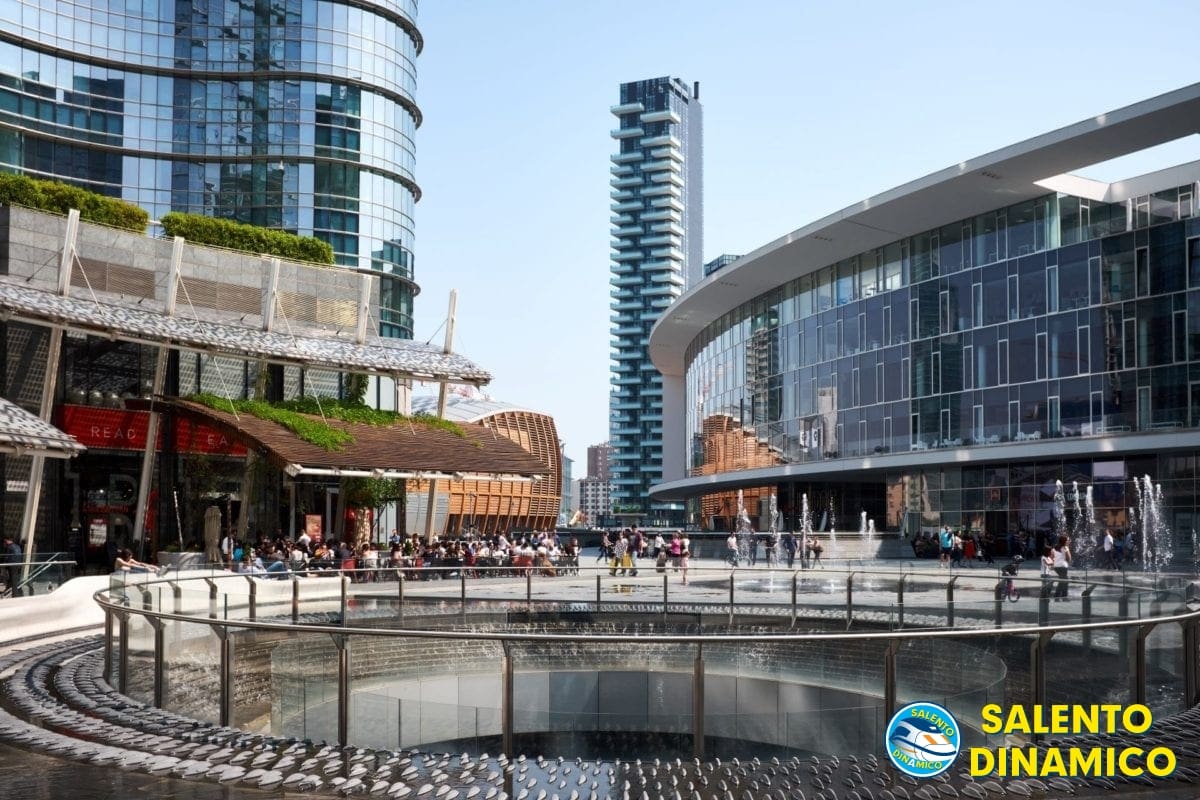
Within each Union, institutions choose where to give birth to the new center: the place around which to gather the services now scattered among the municipalities.
Keep reading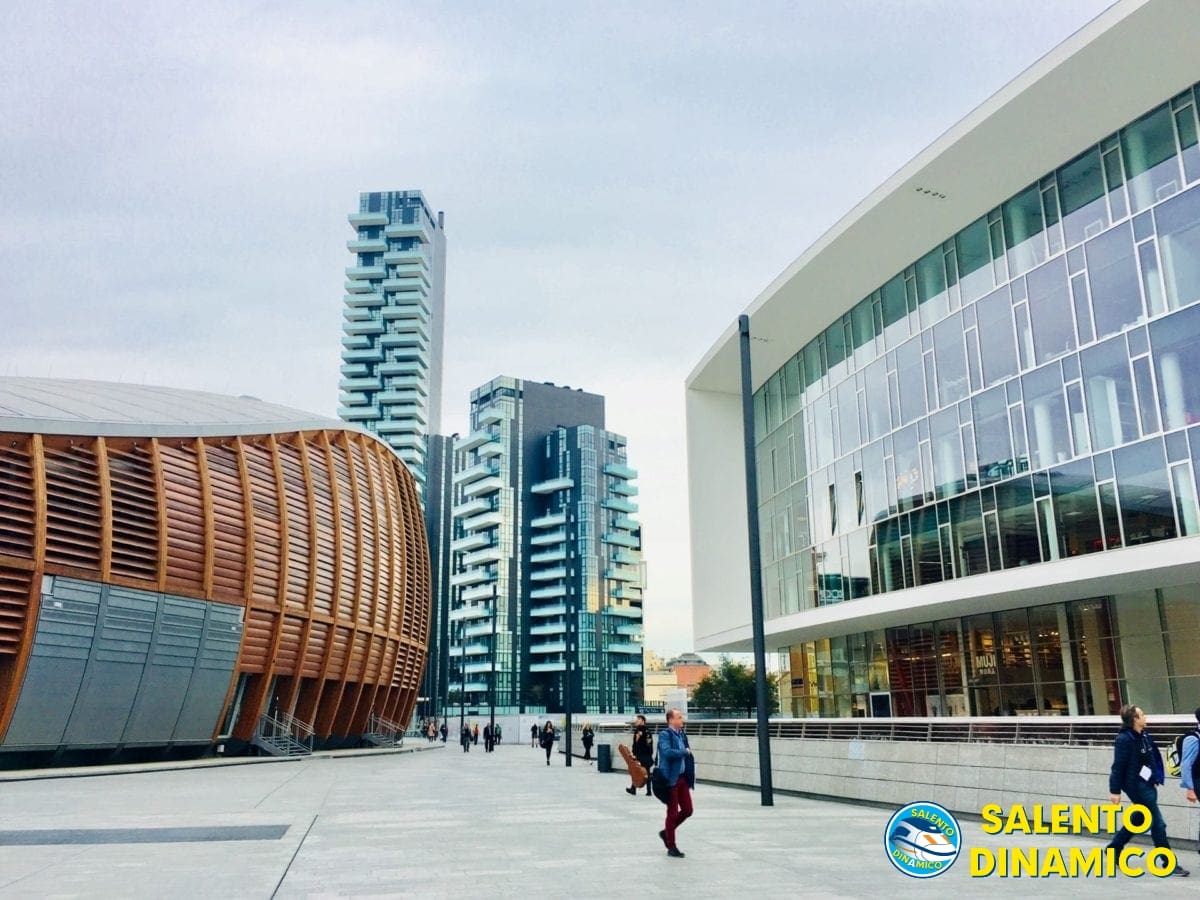
Step 8 of 12
Phase 2.2: The territorial center of civic-institutional services
The fragmented services are concentrated in one place and the powers pass from the individual municipalities to the executive of the Union, with the same electoral system already in use in t...
Keep reading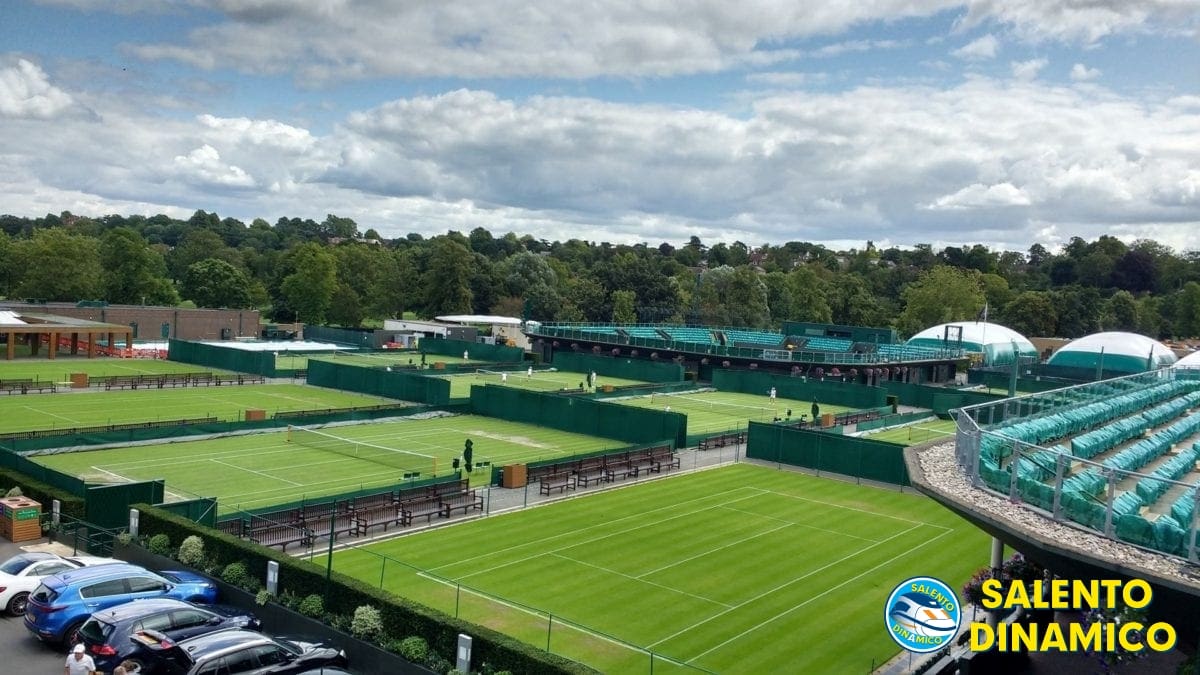
Step 9 of 12
Phase 2.3: Urban transformation of new aggregation areas
The areas between one country and another become the places where communities meet: sports, industry, craftsmanship and trade, each in its own space rather than a little everywhere.
Keep readingOriginal text from 2009, revised and expanded in August 2026.
How we wrote it before
This chapter has been rewritten. The earlier text is kept below: reading it shows how the idea changed, and when.
2009 The 2009 text
Testo originale del piano, come scritto nel 2009 e migrato dal sito storico. Nessuna parola modificata.
TRASFORMAZIONE DA PICCOLE COMUNITA’ A GRANDI CITTA’
Fase 2.1
Ricerca, scelta e creazione di nuovi centri urbani all’interno del territorio delle Unioni.
Fase 2.2
Centro territoriale dei servizi civico-istituzionali.
Fase 2.3
Trasformazione urbana di nuove aree di aggregazione.
This part is discussed in the forum
You can agree, correct a passage or suggest another way. Writing takes just your email address: we send you a code, with no password to choose.
Sign in to write